Spending Boundary
Use only a pre-set entertainment amount, never essential household money.
 Register
QQTK responsible gaming guidance helps adult visitors in Bangladesh plan limits before gaming-related activity begins. Learn how to manage spending and session time, assess promotional pressure, protect account details, recognise harmful patterns, and take a cooling-off break when entertainment stops feeling optional.
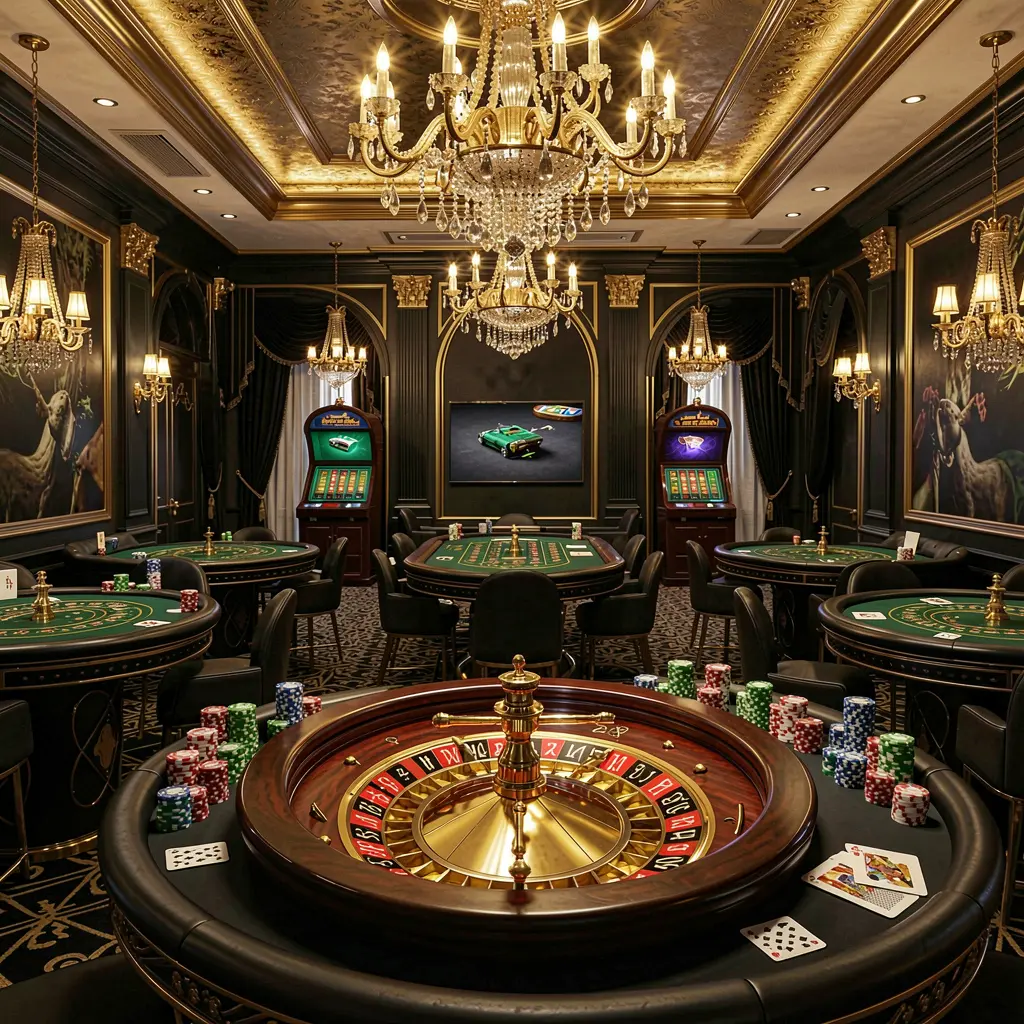
QQTK content should be considered only by adults who understand that gambling-style activity has uncertain results and may involve losses. It is entertainment, not an income source, debt solution, savings plan, or way to recover money already lost.
Before registering, depositing, or engaging with any gaming service, Bangladesh visitors should independently check current local rules and personal eligibility. Website access does not establish that an activity, payment route, or promotion is permitted in a particular location.
Set a spending amount and a session end time while calm, then keep them separate from daily essentials. Never use funds needed for food, housing, bills, education, family obligations, savings, or loan repayments.
Promotions, countdowns, and reward targets can make an unplanned session feel urgent. Read all relevant conditions carefully, but do not let an offer change a limit that was set for your own wellbeing.
Use only a pre-set entertainment amount, never essential household money.
Set an alarm and leave when your planned time ends.
Check conditions calmly; decline offers that encourage extra spending.
Keep passwords and OTP codes private from every other person.
Compare actual time, spending, and mood with your original plan.
A written plan can make it easier to recognise when activity has moved beyond entertainment. Complete these checks before starting, and review the same boundaries after each session ends.
Only proceed when you feel calm and able to stop. Avoid gaming when tired, upset, stressed, under the influence, lonely, or focused on recovering a previous loss.
Choose a modest amount you can afford to lose and a specific finishing time. Do not top up, borrow, or extend the session once either boundary is reached.
Review wagering conditions, expiry dates, eligible activities, betting restrictions, and withdrawal conditions where shown. If terms are unclear or unsuitable, do not rely on the promotion.
Review deposits, spending, duration, and emotions after closing the session. Repeated unplanned deposits or extended play are reasons to pause and strengthen your limits.
Use available limit, cooling-off, self-exclusion, or account-closure options where offered. Contact platform support for access to these tools, and seek trusted personal or professional help when needed.
Harm does not always begin with one large loss. It can develop through frequent checking, hidden deposits, broken promises to stop, or growing anxiety around results. Notice these changes early and treat them seriously.
A pause can be a day, a week, or longer depending on the pattern. If gambling causes debt, conflict, distress, or secrecy, stop participating and discuss the situation with someone you trust.
Where a service provides deposit limits, loss limits, time reminders, cooling-off periods, self-exclusion, transaction history, or account closure, locate those settings before they are urgently needed. Availability and operation of tools can vary, so review the account area and support information.
Protecting your account also supports safer decisions. Use a unique strong password, keep verification codes confidential, sign out of shared devices, and avoid responding to unsolicited messages requesting credentials, identification, or financial details.
If reducing activity alone is difficult, ask a trusted friend or family member for support and consider speaking with a qualified financial, health, or gambling-harm support professional. Immediate distance from gaming access may help restore control.
The responsible choice is always to stop when gaming is no longer affordable, enjoyable, legal for your circumstances, or easy to control. No offer, balance, or previous result is a reason to ignore that boundary.
Answers to common questions about limits, warning signs, account protection, breaks, and responsible gaming decisions for Bangladesh visitors.
It means treating gaming-related activity as optional adult entertainment, planning strict spending and time limits, avoiding loss chasing, checking terms carefully, and stopping when activity creates stress or financial pressure.
Yes. Set the amount before you begin and use only money that is not needed for essentials, debt payments, savings, education, housing, food, or family responsibilities.
Take a break if you exceed a limit, make unplanned deposits, chase losses, hide activity, neglect responsibilities, feel distressed, or think gambling could solve a financial problem.
They can. Deadlines, wagering targets, and reward conditions may create pressure to spend more or continue longer. Only consider an offer if it fits limits you already set.
Stop further deposits and access where possible, use available cooling-off or self-exclusion tools, contact the service support team, and speak with a trusted person or qualified support professional.